TFT Enchanted Wilds Enchanted Wilds Wisp Reference
Category sheet for the Set 18 shop mechanic.
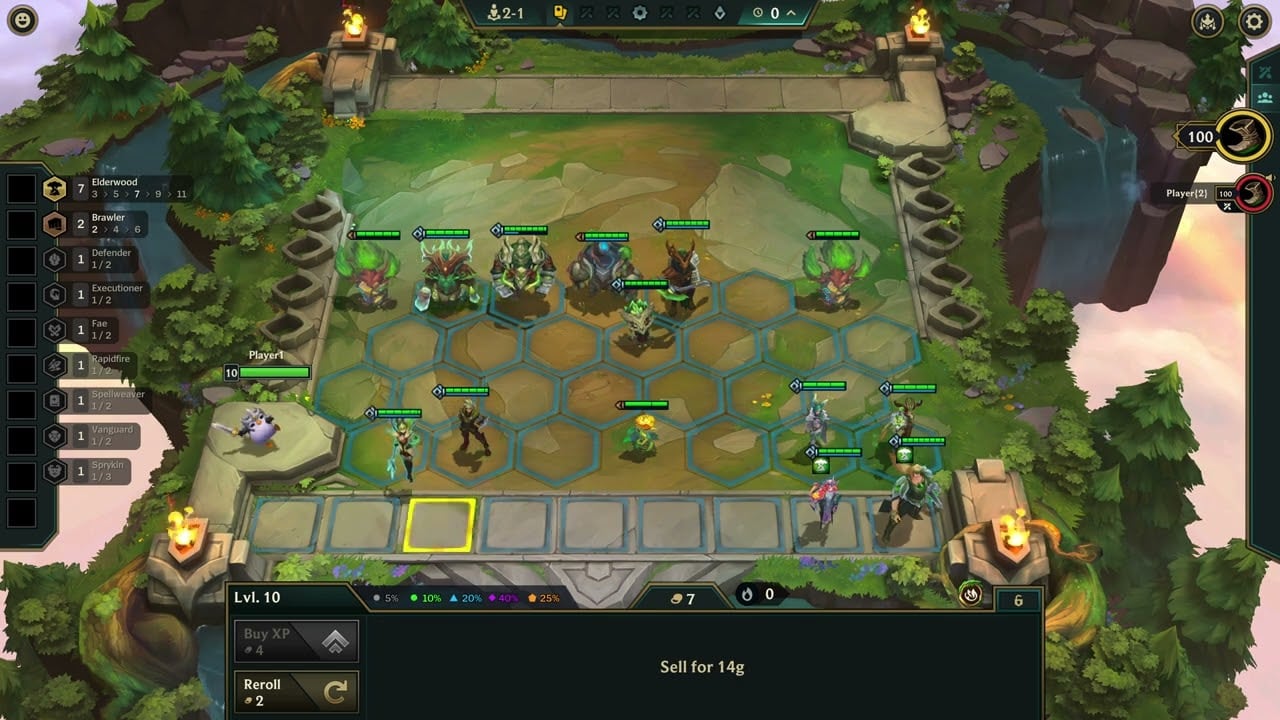
This is the short Wisp sheet for TFT Enchanted Wilds. For buy-or-skip theory, use how Wisps work. For Blossom as a composition, use the trait tier list. Keep this page for names, colors, and rules you forget in combat.
Rules recap
- Rightmost shop slot, every other shop.
- One purchase per round (two at Blossom 9).
- Planning phase only.
- After planning, the Wisp leaves and the hidden champion is revealed.
- After Stage 5, every other Wisp is Combat.
- Stronger orbs cost more later.
- Bought Wisps show a category icon on the player’s Health bar — scout it.
Riot publishes a very large pool (community trackers listed around 200 named Wisps across the seven categories). You will not memorize them. You will memorize the jobs.
Category jobs
Combat (red). Immediate fight power: attack speed, temporary stars, Baron-style team buffs, mana disruption. Buy when Health is low or a streak is live. Hand of Baron is a famous example; some listings show a Riftbeast condition, but live play has treated it as broadly strong — still read the tooltip in client.
Gold/XP (blue). Grow Up and friends. Compare the gold price to the XP button and to interest. A 4-gold orb that hits level 8 is a steal. A 6-gold orb that drops you off 50 for 2 XP is not.
Champion (pink/purple). Copies, 2-stars, or “one of each 5-cost” bombs such as Circle of Elders. Best when you have slots and a plan from the comp tier list. Worst when your bench is full and you are about to lose a 2-star pair.
Shop. All Fives and similar rerolls. Use them at 8+ when you need a specific legendary. Using them at 5 just shuffles 1-costs.
Item. Idle Craftsman and component transformers. Only if you accept losing flexibility. Pair with item recipes.
Misc. Greater Chaos casts extra Wisps. High variance. Buy on winning boards.
Risky. Payday-style “get paid if units survive” or Health-for-gold. Buy on boards that already win, never as a comeback button.
Blossom modifications
| Breakpoint | Wisp change (patch 18.1) |
|---|---|
| 3 | Wisps upgraded |
| 5 | Wisps in every shop |
| 7 | 4 gold back on purchase |
| 9 | Buy two per round |
| 11 | Prismatic overflow |
If you are not on Blossom, ignore 9 and 11. If you are on Blossom, 7 is the engine — see the trait rankings.
Appearance conditions
Some Wisps only show when a trait, item, or champion state is true. That is why two players can see different orbs in the same stage. Do not assume your opponent’s Combat icon is the same Wisp you just skipped.
Related systems
Carousel is not a Wisp. Opening Encounters are not Wisps. Augments such as Wisp Rebate, Residual Magic, and Blossom’s Call change the math; they are listed in patch 18.1. If an Augment pays you to buy orbs, your skip rate should drop. If it does not, skip more.
Practice by naming the category out loud for three games. After that you will only need this page for the Stage 5 rule and the Blossom table.
If you are still buying every orb because “it is the set mechanic,” close this sheet and read the buy-or-skip list on how Wisps work. This reference will not save a player who breaks 50 gold for a Risky payday on a losing board. It will save a player who forgets that Stage 5 Combat orbs exist and rolls to zero one round too soon.
Keep a second tab on item recipes for Item-category Wisps. Transforming a component is only correct when you already know the completed item you want.
Frequently Asked Questions
Quick answers for Enchanted Wilds players.
How many Wisp categories are there?
Seven: Champion, Combat, Misc, Shop, Gold/XP, Risky, and Item.
What happens after Stage 5?
Every other Wisp is guaranteed Combat, which cuts late-game variance compared with Set 12 Charms.
Where is the full named list?
The live client is canonical. This page maps jobs so you can decide in five seconds. Theory lives on how Wisps work.
Can opponents see my Wisp?
They see the category icon by your Health after you buy. They do not see the skipped orb in your shop.